


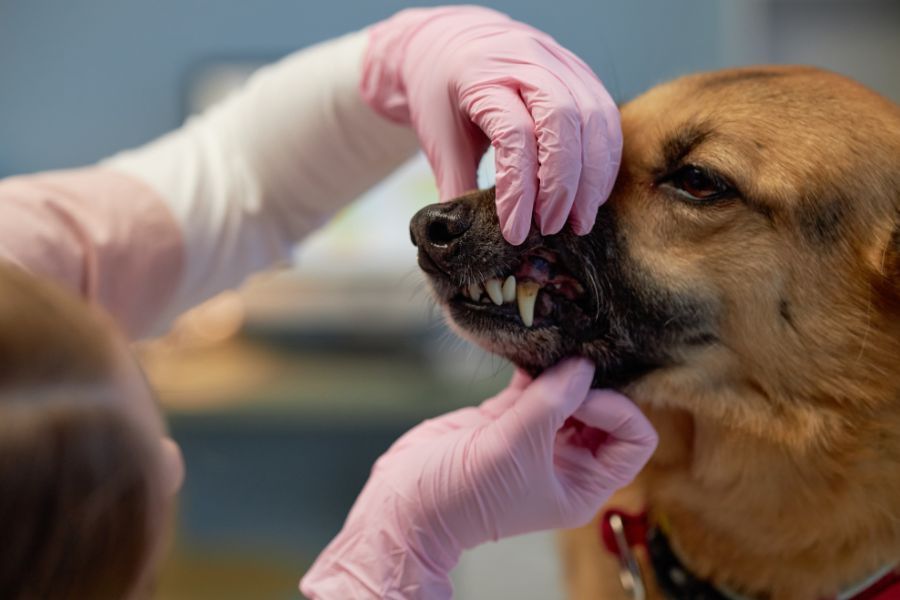
Keeping your dog’s teeth healthy is about more than just fresh breath. Dental care plays a big role in your pet’s overall wellness. Just like people, dogs can develop plaque, tartar, gum disease, and even painful infections if their mouths aren’t cared for properly.
Many pet owners wonder if certain foods or chews can really make a difference. The good news is yes, some options truly support dental health when chosen wisely. In this guide, we’ll explore the best foods and chews that can help your dog maintain cleaner teeth and healthier gums, along with tips to keep their smile in great shape.
Why Dental Health Matters for Dogs
Dental problems are one of the most common health issues seen in dogs. Plaque can start forming within hours of eating, and if it isn’t removed, it hardens into tartar. Over time, this can lead to:
- Bad breath
- Swollen or bleeding gums
- Loose teeth
- Pain while chewing
- Tooth loss
- Bacteria spreading to the heart, liver, or kidneys
That’s why regular dental support is so important, especially when combined with professional care from a trusted animal hospital.
Can Food Really Help Clean Teeth?
While food alone won’t replace brushing or veterinary cleanings, the right diet can reduce plaque buildup and support healthier gums.
Certain foods are designed to create a gentle scraping action on teeth, while others include ingredients that help fight bacteria in the mouth.
When paired with routine checkups and dental services in Bucksport, these choices can make a noticeable difference.
Best Dog Foods for Dental Support
1. Dental-Specific Dry Kibble
Some dog food brands create kibble specifically shaped and textured to help clean teeth as your dog chews. These formulas are often approved by the Veterinary Oral Health Council (VOHC), meaning they meet standards for reducing plaque or tartar.
Benefits include:
- Less tartar buildup
- Better breath
- Easy daily support
2. Crunchy Dry Food vs. Soft Food
Dry kibble is generally better for dental health than soft or canned food because crunchy pieces provide mild abrasion. Soft food tends to stick to teeth, increasing plaque buildup. If your dog must eat wet food for medical reasons, dental chews and cleanings become even more important.
3. Raw Fruits and Veggies (Dog-Safe Options)
Some fresh foods can help gently clean teeth while providing nutrients.
Safe options include:
- Carrot sticks
- Apple slices (no seeds)
- Cucumber
- Celery
These are not a replacement for brushing, but they make great low-calorie snacks that promote chewing. Always introduce new foods slowly and in moderation.
Chews That Actually Improve Dental Health
Not all chews are created equal. Some treats may taste great, but do little for teeth, or worse, can cause broken teeth. Here are the best chew options for real dental support.
1. VOHC-Approved Dental Chews
Dental chews approved by the VOHC are proven to reduce plaque and tartar.
These are among the easiest daily tools for pet owners seeking effective dental care.
Look for products labeled as:
- Plaque-reducing
- Tartar-control
- Vet-recommended
Your local animal hospital near you can guide you toward safe, effective brands.
2. Rubber Chew Toys
Durable rubber toys can help massage gums and scrape plaque when used regularly.
Choose toys that match your dog’s chewing strength. They should be firm but not so hard that they risk tooth fractures.
3. Dental Sticks with Enzymes
Some chews contain enzymes that help break down bacteria in the mouth.
These are especially helpful for:
- Dogs are prone to bad breath
- Smaller breeds with crowded teeth
- Older dogs with early plaque buildup
Enzyme chews work best when used consistently as part of a full dental routine.
4. Natural Chews (Use With Caution)
Some natural chews can be helpful, but pet owners should be careful.
Examples include:
- Bully sticks
- Tendons
- Collagen chews
Avoid very hard items like antlers or bones, as these can crack teeth and lead to emergency visits.
Chews and Foods to Avoid
Some popular treats can do more harm than good.
Avoid:
- Cooked bones (splinter risk)
- Antlers (too hard)
- Sticky chews that cling to teeth
- Rawhide with harsh chemicals
- Sugary human foods
If a chew is hard enough that you can’t dent it with your fingernail, it may be too hard for your dog’s teeth.
The Role of Professional Dental Care
Even the best chews and foods cannot fully prevent tartar below the gumline. That’s why professional cleanings are essential.
Routine dental exams and cleanings help prevent:
- Periodontal disease
- Tooth infections
- Painful extractions
- Long-term health complications
If you’re searching for trusted dental services in Bucksport, Bucksport Veterinary Hospital provides complete dental evaluations and cleanings to keep your dog comfortable and healthy.
Daily Dental Tips for Pet Owners
To get the best results, combine chews with daily habits:
- Brush your dog’s teeth several times a week
- Offer dental chews regularly
- Schedule annual dental exams
- Watch for signs of mouth pain or bad breath
- Provide safe chew toys for gum stimulation
Small steps every day can lead to a healthier smile for years.
Helping Your Dog Maintain a Healthier Smile
Dental health is one of the best gifts you can give your dog. With the right combination of dental-friendly foods, safe chews, and regular veterinary care, your pet can enjoy better breath, healthier gums, and fewer dental problems. For families looking for an experienced “animal hospital near me”, Bucksport Veterinary Hospital in Bucksport, ME, is here to support your dog’s oral health at every stage of life.
FAQs
1. Do dental chews really work for dogs?
Ans: Yes, high-quality dental chews can reduce plaque and tartar, especially when VOHC-approved and used consistently.
2. Can dry food replace brushing my dog’s teeth?
Ans: No, dry kibble helps slightly but does not replace brushing or professional cleanings.
3. What is the safest chew for dental health?
Ans: VOHC-approved dental chews and rubber dental toys are among the safest and most effective options.
4. How often should I give my dog dental chews?
Ans: Most dental chews are designed for daily use, but always follow product guidelines and your vet’s advice.
5. Are bones good for cleaning a dog’s teeth?
Ans: Hard bones can crack teeth and cause injuries. Safer dental chews are recommended instead.
6. When should my dog get a professional dental cleaning?
Ans: Most dogs benefit from annual dental exams, and cleanings may be needed depending on tartar buildup and gum health.