

Advanced Tools to Diagnose Your Pet’s Symptoms
When your dog or cat isn’t acting like themselves, you want answers. At Bucksport Veterinary Hospital, our Diagnostic Services are designed to help us quickly uncover the reason behind your pet’s discomfort or illness. We use modern diagnostic tools like digital X‑rays, ultrasound imaging, and an in‑house laboratory to look inside your pet’s body, find hidden problems early, and guide effective treatment plans.
Why Early and Accurate Diagnosis Matters
Pets can’t tell us what hurts or where it feels wrong, so we rely on advanced diagnostics to see what’s going on beneath the surface. Early diagnosis helps prevent health problems from becoming emergencies. It also means we can treat many conditions more easily, reduce discomfort, and improve long‑term outcomes. Whether your pet is experiencing pain after an injury or showing subtle changes in appetite or energy levels, our diagnostic services give us the clarity we need to act confidently and quickly.
Digital X‑Ray
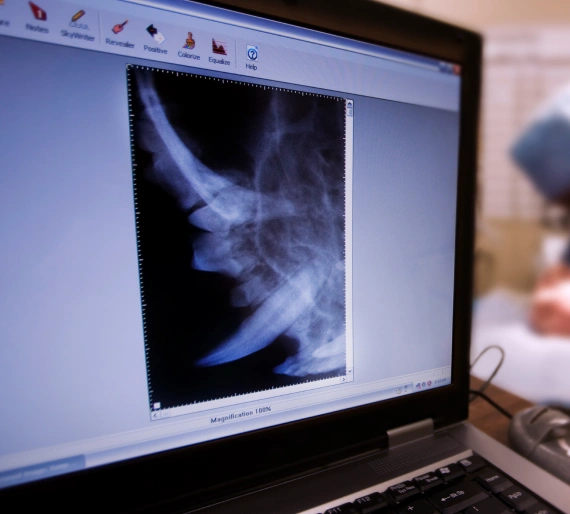
Our digital X‑ray technology uses a small amount of safe radiation to create detailed images of your pet’s bones and internal organs. Unlike older film‑based x‑rays, digital images appear almost instantly, so we can review results while you wait. This speed makes digital X‑rays especially helpful in emergencies and when time is critical.
Digital X‑rays are commonly used to:
- Detect fractures, dislocations, and bone abnormalities
- Identify bladder stones or swallowed foreign objects
- Evaluate the size and shape of organs like the heart and lungs
- Screen for signs of pneumonia or other chest issues
Because the images are digital, we can share them easily with specialists or save them in your pet’s medical records for future reference.
Ultrasound
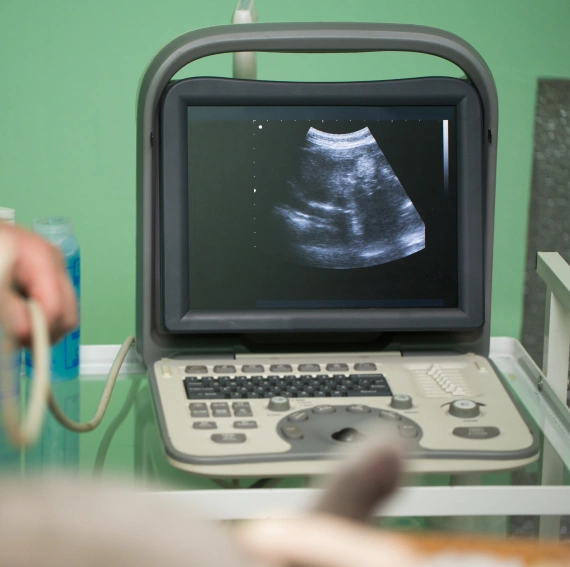
When we need more information about your pet’s internal organs than an X‑ray can provide, we use ultrasound imaging. Ultrasound uses sound waves to create real‑time pictures of soft tissues without radiation. It is a painless, non‑invasive way to examine organs such as the liver, kidneys, bladder, and heart.
Ultrasound is particularly useful for:
- Detecting fluid, cysts, and masses in the abdomen
- Evaluating organ structure and function
- Monitoring pregnancy and fetal health
- Guiding doctors during certain procedures
Because ultrasound provides images of moving organs, it can help us see how your pet’s body is functioning — information that other tests might miss.
In‑House Laboratory
Our in‑house laboratory allows us to run many important tests right here at the clinic, giving results in hours instead of days. Quick results mean quicker decisions about your pet’s care and faster peace of mind for you. With our lab capabilities, we can analyze blood, urine, and other samples to check organ function, detect infections, and screen for disease.
These tests help us:
- Assess kidney and liver function
- Check blood cell counts
- Detect diabetes or other metabolic issues
- Identify infections or inflammation
If a specific test requires more advanced analysis, we can also send samples to outside laboratories and receive results quickly to ensure thorough evaluation and action.
When Should Your Pet Be Evaluated?
You should consider diagnostic testing whenever your dog or cat shows signs of discomfort, pain, change in behavior, loss of appetite, vomiting, coughing, or unexplained weight changes. Even subtle symptoms can be early indicators of underlying problems. Regular diagnostics are also part of preventive care, helping us detect issues before they become more serious.
Schedule a diagnostic appointment today by calling our clinic or booking online. Early answers can make all the difference in your pet’s health and comfort.