

Good pet dental care is one of the most overlooked parts of keeping dogs and cats healthy. Dental disease can cause pain, bad breath, tooth loss, and even impact the heart, kidneys, and other organs if left untreated. This guide explains how to care for your pet’s teeth at home, warning signs to watch for, and when to schedule professional dental cleanings.
Why Pet Dental Care Matters
Many pet owners focus on food, exercise, and vaccines, but oral health is just as important. Plaque begins building on your pet’s teeth soon after eating. If not removed, it hardens into tartar, which can lead to gum inflammation and infection.
Poor dental health may cause:
- Bad breath
- Red or bleeding gums
- Loose or broken teeth
- Difficulty eating
- Mouth pain
- Bacteria entering the bloodstream
By staying consistent with pet dental care, you can help your pet live a healthier and more comfortable life.
Common Dental Problems in Pets
Pets can develop many of the same oral issues humans do, but they often hide discomfort well.
Periodontal Disease
This is the most common dental condition in pets. It starts with plaque and progresses to gum infection, tooth damage, and bone loss.
Tooth Fractures
Dogs that chew hard objects like rocks, bones, or antlers may crack their teeth. Broken teeth can expose nerves and become painful.
Retained Baby Teeth
Some small-breed dogs keep baby teeth after adult teeth erupt, causing crowding and plaque buildup.
Oral Masses
Lumps or unusual growths in the mouth should always be checked by a veterinarian.
Signs Your Pet May Need Dental Care
Because pets cannot tell us when something hurts, owners should watch for changes in behavior or eating habits.
Look for these warning signs:
- Persistent bad breath
- Drooling more than usual
- Pawing at the mouth
- Yellow or brown tartar buildup
- Bleeding gums
- Trouble chewing food
- Eating on one side of the mouth
- Reduced appetite
- Swelling around the face or jaw
If you notice these symptoms, prompt pet dental care is important.
How to Brush Your Pet’s Teeth at Home
Brushing is the gold standard for preventing dental disease. Daily brushing is ideal, but even a few times a week can help.
Step-by-Step Tooth Brushing Tips
- Choose a pet-safe toothbrush or finger brush.
- Use toothpaste made for pets only. Never use human toothpaste.
- Start slowly by letting your pet taste the toothpaste.
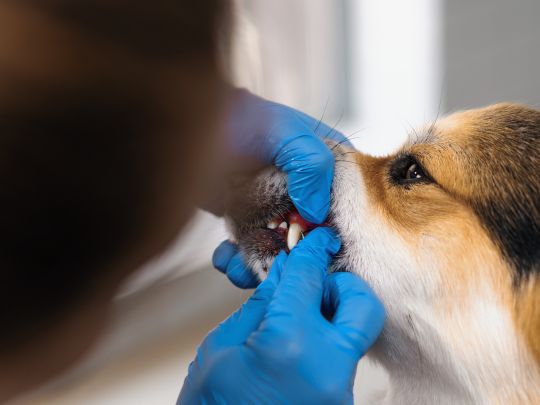
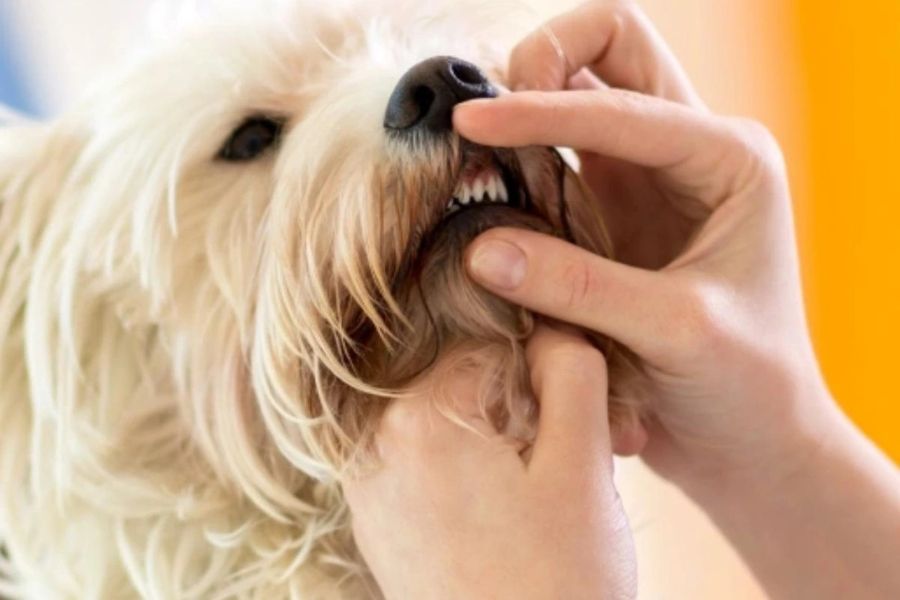
- Gently lift the lips and brush the outer tooth surfaces.
- Keep sessions short and positive.
- Reward with praise or a treat afterward.
Most plaque builds up on the outside surfaces of teeth, so focus there first.
Best Products for Pet Dental Care
Many tools support oral health between professional cleanings.
Helpful Options Include:
- Veterinary-approved dental chews
- Water additives
- Dental wipes
- Oral rinses for pets
- Rubber chew toys designed for teeth cleaning
- Prescription dental diets
Ask your veterinarian which products are safest and most effective for your pet’s breed, size, and age.
Foods and Habits That Affect Dental Health
Diet and chewing habits can influence oral health.
Good Habits
- Feeding quality nutrition
- Offering safe dental chews
- Routine brushing
- Regular wellness exams
Habits to Avoid
- Letting dogs chew rocks
- Giving very hard bones or antlers
- Ignoring bad breath
- Waiting until your pet stops eating to seek help
Strong pet dental care habits at home can reduce future problems.
Professional Dental Cleanings for Pets
Even with brushing, many pets still need professional dental cleanings. These procedures allow the veterinary team to clean above and below the gumline, where disease often hides.
Professional cleanings may include:
- Full oral exam
- Tartar removal
- Polishing teeth
- Dental X-rays
- Tooth extractions, if needed
- Treatment planning for infection or damage
Routine cleanings are often the best way to maintain long-term pet dental care.
How Often Should Pets Have Dental Exams
Most pets should have their mouth checked during yearly wellness visits. Some pets need more frequent care, especially:
- Small breed dogs
- Senior pets
- Flat-faced breeds
- Pets with crowded teeth
- Animals with prior dental disease
Your veterinarian can recommend the right schedule.
Pet Dental Care for Puppies and Kittens
Starting early makes oral care much easier later.
Tips for Young Pets
- Handle lips and mouth gently during training
- Introduce brushing gradually
- Monitor the baby’s tooth loss
- Provide safe chew toys
- Schedule early wellness visits
Young pets that learn dental routines often accept brushing better as adults.
Senior Pet Dental Care
Older pets often need closer monitoring. Years of tartar buildup can lead to advanced gum disease, loose teeth, or infections.
Senior pets benefit from:
- More frequent oral exams
- Bloodwork before dental procedures
- Softer recovery foods if needed
- Pain management when dental treatment is required
Age should not prevent proper dental treatment when medically appropriate.
Consistent pet dental care protects more than your pet’s smile. It helps prevent pain, infection, and serious health issues while improving daily comfort and quality of life. Home brushing, healthy habits, and regular veterinary cleanings create the best long-term results. To keep your pet healthy, contact Bucksport Veterinary Hospital in Orland, ME, today.
FAQs
Q1: How often should I brush my pet’s teeth?
Ans: Daily brushing is best, but brushing three to four times weekly can still help reduce plaque and tartar.
Q2: Is bad breath normal in pets?
Ans: No, persistent bad breath often signals dental disease, infection, or another health issue.
Q3: At what age should pet dental care begin?
Ans: Dental care should begin during puppyhood or kittenhood with gentle mouth handling and brushing training.
Q4: Are dental treats enough for pet dental care?
Ans: Dental treats can help, but they should not replace brushing and professional cleanings.
Q5: Do cats need dental care, too?
Ans: Yes, cats commonly develop gum disease, tooth resorption, and tartar buildup, so regular dental care is important.