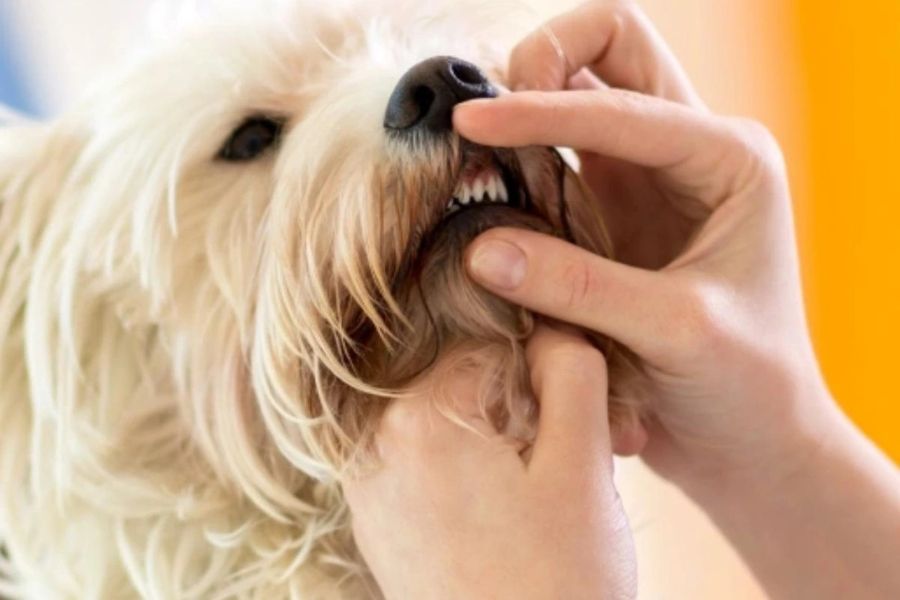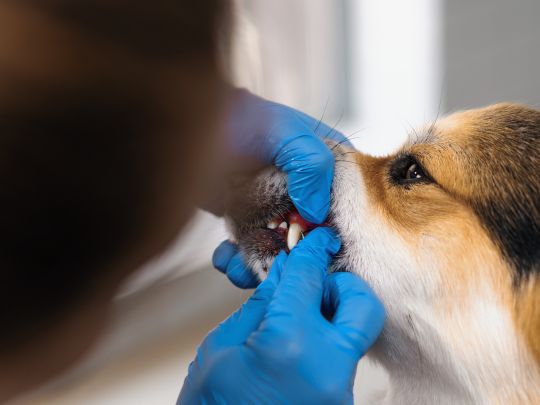


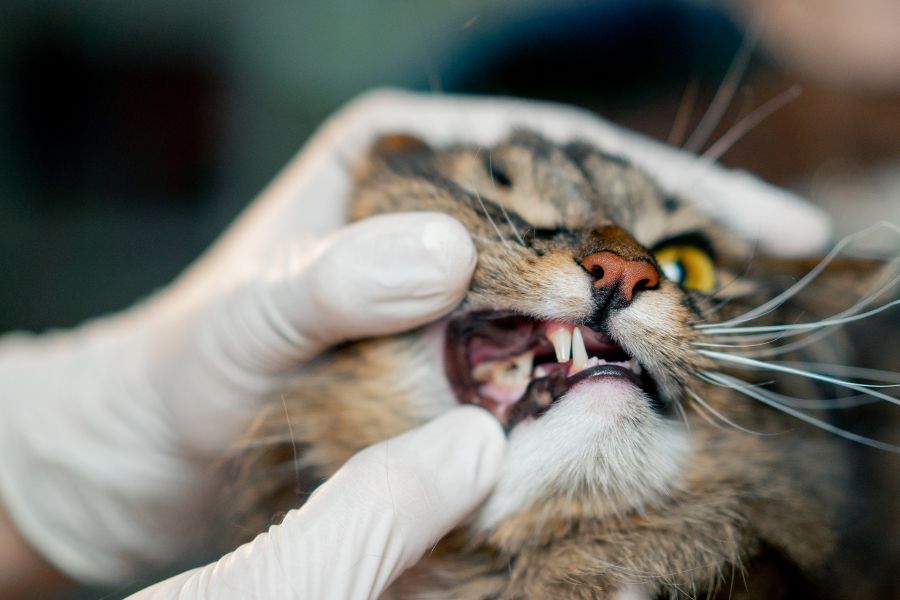
Periodontal disease in dogs and cats is one of the most common health problems veterinarians see, yet many pet owners do not notice the signs until the condition becomes serious. Bad breath, swollen gums, and difficulty eating may seem minor at first, but untreated dental disease can lead to pain, tooth loss, and even damage to vital organs. In this guide, you’ll learn what periodontal disease is, what causes it, the warning signs to watch for, and how regular dental care can protect your pet’s long-term health. Understanding the risks early can help your dog or cat live a healthier, more comfortable life.
What Is Periodontal Disease in Dogs and Cats?
Periodontal disease is a progressive infection and inflammation of the tissues surrounding the teeth. It starts with plaque buildup and can eventually damage the gums, tooth roots, and jawbone if left untreated.
Plaque forms when bacteria mix with food particles and saliva in your pet’s mouth. Over time, plaque hardens into tartar, which cannot be removed with regular brushing alone. As bacteria spread below the gumline, inflammation develops and causes gum disease.
Veterinarians generally divide periodontal disease into stages:
- Stage 1: Gingivitis
Mild redness and inflammation of the gums. - Stage 2: Early Periodontal Disease
Gum recession and mild bone loss begin. - Stage 3: Moderate Periodontal Disease
Significant tissue damage and discomfort occur. - Stage 4: Advanced Periodontal Disease
Severe infection, loose teeth, pain, and potential tooth loss develop.
By age three, many dogs and cats already show signs of dental disease, making preventive care extremely important.
Why Periodontal Disease Is More Dangerous Than Many Pet Owners Realize?
Many people think dental disease only causes bad breath. In reality, the bacteria associated with periodontal disease can spread throughout the body.
When infection enters the bloodstream, it may affect:
- The heart
- The kidneys
- The liver
- The lungs
Chronic inflammation can also weaken your pet’s immune system and reduce overall quality of life. Pets often continue eating even when they are in pain, which means the disease may go unnoticed for months or years.
Dental pain can impact:
- Appetite
- Mood
- Energy levels
- Grooming habits in cats
- Playfulness and activity
Because pets cannot explain their discomfort, subtle signs are easy to miss.
Common Signs of Periodontal Disease in Pets
Recognizing early symptoms can help prevent serious complications. Some signs are obvious, while others are more subtle.
Signs to Watch For
- Persistent bad breath
- Yellow or brown tartar buildup
- Red or bleeding gums
- Drooling more than normal
- Difficulty chewing
- Pawing at the mouth
- Loose or missing teeth
- Decreased appetite
- Swelling around the mouth or face
- Weight loss
- Irritability or reduced activity
Cats with dental disease may also:
- Stop grooming themselves
- Drop food while eating
- Hide more often
- Prefer soft food
If you notice any of these symptoms, a veterinary dental exam is recommended as soon as possible.
Which Pets Are Most at Risk?
Any dog or cat can develop periodontal disease, but some pets are at higher risk than others.
Small Dog Breeds
Small and toy breeds tend to develop dental disease earlier because their teeth are crowded together. Breeds commonly affected include:
- Chihuahuas
- Yorkshire Terriers
- Dachshunds
- Pomeranians
- Shih Tzus
Older Pets
Senior pets naturally experience more plaque buildup and wear on their teeth over time.
Flat-Faced Breeds
Pets with short snouts often have crowded or misaligned teeth that trap bacteria more easily.
Pets Without Regular Dental Care
Lack of brushing and professional cleanings significantly increases the risk of gum disease.
How Veterinarians Diagnose Periodontal Disease?
A proper diagnosis requires more than a quick look inside the mouth. During a dental evaluation, veterinarians examine:
- The gums
- Tooth stability
- Plaque and tartar buildup
- Signs of infection
- Gum pockets around the teeth
In many cases, dental X-rays are necessary to evaluate damage below the gumline. Much of periodontal disease occurs beneath the surface, where it cannot be seen during a regular exam.
Since pets must remain still for accurate imaging and treatment, professional dental procedures are typically performed under anesthesia.
Treatment Options for Periodontal Disease
Treatment depends on the severity of the condition.
Professional Dental Cleaning
For mild to moderate disease, a professional dental cleaning may include:
- Scaling to remove plaque and tartar
- Polishing the teeth
- Cleaning below the gumline
- Dental X-rays
- Oral examination
Tooth Extractions
Advanced periodontal disease may require the removal of severely damaged teeth. While some owners worry about extractions, removing painful teeth often improves a pet’s comfort and quality of life dramatically.
Antibiotics and Pain Management
Some pets may need medications to control infection and reduce inflammation after treatment.
Ongoing Home Dental Care
Daily or routine dental care at home helps slow future plaque buildup and supports long-term oral health.
How to Prevent Periodontal Disease in Dogs and Cats?
Prevention is always easier and less expensive than treating advanced dental disease.
Brush Your Pet’s Teeth Regularly
Daily brushing is considered the gold standard for preventing plaque buildup. Use:
- A pet-safe toothbrush
- Veterinary-approved toothpaste
Never use human toothpaste because it may contain ingredients harmful to pets.
Use Dental Chews and Dental Diets
Certain dental products help reduce tartar accumulation. Look for products approved by veterinary dental organizations.
Schedule Routine Veterinary Dental Exams
Regular wellness visits help veterinarians detect problems before they become severe.
Professional Dental Cleanings
Many pets benefit from periodic professional cleanings, especially small dogs and senior pets.
Monitor Your Pet’s Mouth at Home
Check for:
- Bad breath
- Red gums
- Broken teeth
- Changes in eating habits
Early detection can prevent extensive treatment later.
The Connection Between Oral Health and Overall Wellness
Dental health is closely tied to overall health. Chronic inflammation from periodontal disease can contribute to long-term medical issues and ongoing discomfort.
Pets with healthy mouths often experience:
- Better appetite
- Improved energy
- Less pain
- Better breath
- Higher quality of life
Routine dental care is not simply cosmetic. It is an important part of preventive veterinary medicine.
Why Cats Often Hide Dental Pain?
Cats are especially skilled at masking discomfort. Many cat owners assume their pet is fine because they continue eating normally.
However, cats instinctively hide signs of weakness. By the time symptoms become noticeable, dental disease may already be advanced.
Warning signs in cats may include:
- Quiet behavior changes
- Eating slower
- Tilting the head while chewing
- Excessive drooling
- Weight loss
- Less interaction with family members
Regular dental checkups are extremely important for feline health because problems are often difficult to spot at home.
Conclusion
Periodontal disease in dogs and cats is far more than a cosmetic issue. Left untreated, it can cause chronic pain, tooth loss, infection, and serious health complications throughout the body. The good news is that early detection and preventive pet dental care can make a major difference in your pet’s comfort and long-term health. Routine exams, professional cleanings, and consistent home care are some of the best ways to protect your pet from painful dental disease. If you notice signs like bad breath, swollen gums, or difficulty eating, schedule a dental evaluation with Bucksport Veterinary Hospital in Orland, ME.
FAQs
Q1: How common is periodontal disease in dogs and cats?
Ans: Periodontal disease is extremely common, especially in pets over the age of three. Many dogs and cats develop some degree of dental disease without regular oral care.
Q2: Can bad breath in pets mean dental disease?
Ans: Yes, persistent bad breath is often one of the earliest signs of periodontal disease and bacterial buildup in the mouth.
Q3: Do cats get periodontal disease as often as dogs?
Ans: Yes, cats frequently develop periodontal disease, although they often hide symptoms better than dogs do.
Q4: Is professional dental cleaning safe for pets?
Ans: Professional dental cleanings are generally very safe when performed with proper monitoring and pre-anesthetic evaluations by a veterinary team.
Q5: How can I prevent periodontal disease in my pet?
Ans: Regular tooth brushing, professional dental cleanings, dental chews, and routine veterinary exams all help reduce the risk of periodontal disease in dogs and cats.