


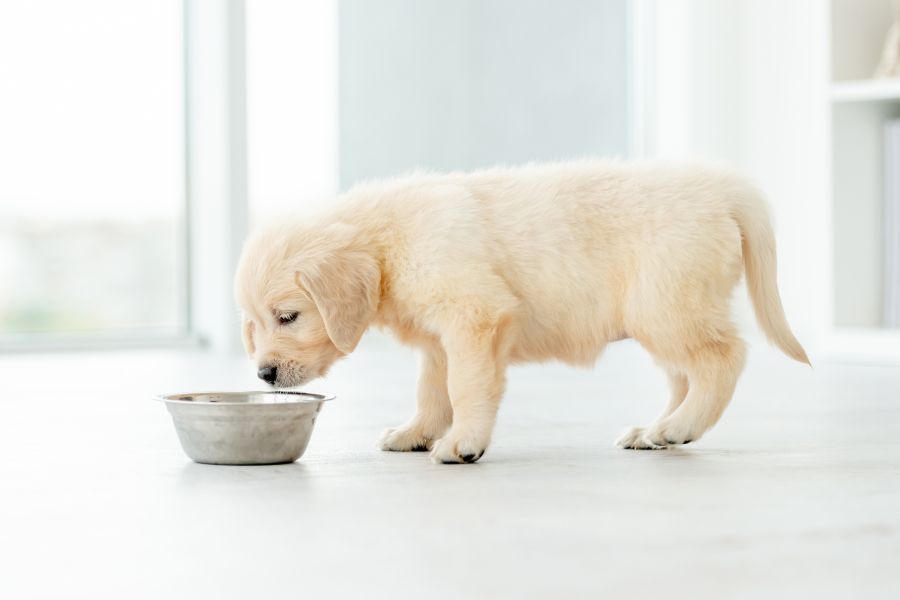
Choosing the right diet is one of the most important parts of puppy and kitten care. Proper nutrition supports healthy growth, strong immunity, and long-term wellness. In this guide, you’ll learn what to feed puppies and kittens, how to choose high-quality food, and feeding tips every pet owner should know.
What Makes Proper Nutrition Important for Puppies and Kittens?
Young pets grow rapidly during their first year, which means their bodies require more nutrients than adult animals. A well-balanced diet ensures:
- Healthy bone and muscle development
- Strong immune system support
- Proper brain and vision growth
- Healthy skin and a shiny coat
Both puppies and kittens need diets rich in protein, fats, vitamins, and minerals. Poor nutrition at this stage can lead to long-term health issues, making puppy and kitten care especially critical early on.
Key Nutritional Needs for Puppies
Puppies require nutrient-dense food designed specifically for their growth phase. Adult dog food simply doesn’t meet their needs.
Essential Nutrients for Puppies:
- High-quality protein for muscle growth
- Healthy fats for energy and brain development
- Calcium and phosphorus for strong bones and teeth
- DHA (Docosahexaenoic Acid) for brain and vision development
Feeding Guidelines for Puppies:
- Feed 3 to 4 small meals daily until 6 months of age
- Gradually reduce to 2 meals per day as they grow
- Always provide fresh, clean water
Look for dog food labeled “complete and balanced for growth” to ensure your puppy gets all essential nutrients.
Key Nutritional Needs for Kittens
Kittens grow even faster than puppies and require a highly specialized diet to keep up with their development.
Essential Nutrients for Kittens:
- High protein levels from animal sources
- Taurine, an essential amino acid for heart and eye health
- Fats for energy and coat health
- Vitamins and minerals to support overall growth
Feeding Guidelines for Kittens:
- Feed 3 to 4 small meals per day
- Provide a mix of wet and dry food for balanced nutrition
- Ensure constant access to fresh water
In puppy and kitten care, kittens often benefit from wet food due to its higher moisture content, which supports hydration.
Wet Food vs Dry Food: Which Is Better?
Many pet owners wonder whether wet or dry food is the best choice. The truth is, both have benefits.
Wet Food Benefits:
- Higher moisture content supports hydration
- Easier to chew and digest
- More appealing to picky eaters
Dry Food Benefits:
- Helps maintain dental health
- Convenient and cost-effective
- Longer shelf life
Best Approach:
A combination of both wet and dry food often works best. This provides balanced nutrition while supporting hydration and dental health.
How to Choose the Best Food for Your Pet
Selecting the right food can feel overwhelming with so many options available. Here’s what to look for:
1. Check the Ingredient List
- Real meat should be the first ingredient
- Avoid fillers like corn and soy
- Look for natural preservatives
2. Look for Life Stage Labels
Choose food specifically labeled for:
- Puppies
- Kittens
This ensures the formula meets their growth requirements.
3. Avoid Artificial Additives
Stay away from foods with:
- Artificial colors
- Flavors
- Chemical preservatives
4. Consider Breed Size
Large-breed puppies may need controlled calcium levels to prevent joint issues, while small breeds require more calorie-dense food.
Feeding Schedule and Portion Control
Overfeeding or underfeeding can both lead to health problems. Proper portion control is a key part of puppy and kitten care.
General Feeding Tips:
- Follow the feeding guidelines on the food label
- Adjust portions based on activity level and growth
- Monitor weight regularly
Signs You’re Feeding the Right Amount:
- Healthy weight and steady growth
- Good energy levels
- Shiny coat and clear eyes
If your pet is gaining too much weight or seems undernourished, consult your veterinarian for guidance.
Foods to Avoid for Puppies and Kittens
Certain foods can be harmful or even toxic to young pets. Always keep these away:
- Chocolate
- Grapes and raisins
- Onions and garlic
- Alcohol
- Caffeine
- Raw dough
Even small amounts of these foods can cause serious health issues. Safe feeding practices are a vital part of responsible puppy and kitten care.
Transitioning to New Food Safely
Switching your pet’s food too quickly can upset their digestive system.
How to Transition Properly:
- Day 1–2: 75% old food, 25% new food
- Day 3–4: 50% old food, 50% new food
- Day 5–6: 25% old food, 75% new food
- Day 7: 100% new food
This gradual transition helps prevent stomach upset and ensures your pet adjusts comfortably.
Homemade vs Commercial Pet Food
Some pet owners consider preparing homemade meals, but it requires careful planning.
Homemade Diet Pros:
- Full control over ingredients
- No artificial additives
Cons:
- Risk of nutrient imbalance
- Time-consuming
- Requires veterinary guidance
Commercial pet foods are formulated to meet strict nutritional standards, making them a safer and more convenient option for most pet owners.
Signs of Good Nutrition in Puppies and Kittens
A well-fed pet will show clear signs of good health:
- Bright, alert eyes
- Soft, shiny coat
- Consistent growth
- High energy levels
- Healthy digestion
If you notice issues like dull coat, lethargy, or digestive problems, it may be time to reassess your pet’s diet.
Common Feeding Mistakes to Avoid
Even caring pet owners can make simple feeding mistakes.
Avoid These Common Errors:
- Feeding adult food to puppies or kittens
- Overfeeding treats
- Ignoring portion sizes
- Switching foods too quickly
- Not providing enough fresh water
Being mindful of these mistakes can significantly improve your pet’s health and well-being.
Providing the best nutrition is one of the most important aspects of raising a healthy pet. By choosing high-quality food, maintaining proper feeding routines, and understanding your pet’s needs, you can support their growth and long-term wellness.
If you’re unsure about the best diet for your pet, consult the experts at Bucksport Veterinary Hospital in Bucksport, ME.
FAQs:
Q1: What is the best food for puppies and kittens?
Ans: The best food is a high-quality, balanced diet specifically formulated for growth, rich in protein, fats, and essential nutrients.
Q2: How often should I feed my puppy or kitten?
Ans: Puppies and kittens should be fed 3 to 4 small meals per day during their early growth stages.
Q3: Can puppies and kittens eat the same food?
Ans: No, puppies and kittens have different nutritional needs, so they require species-specific food.
Q4: Is wet or dry food better for young pets?
Ans: Both have benefits, and a combination of wet and dry food often provides the best balance.
Q5: When should I switch my pet to adult food?
Ans: Puppies usually transition around 12 months, while kittens can switch at about 10 to 12 months, depending on their growth.