


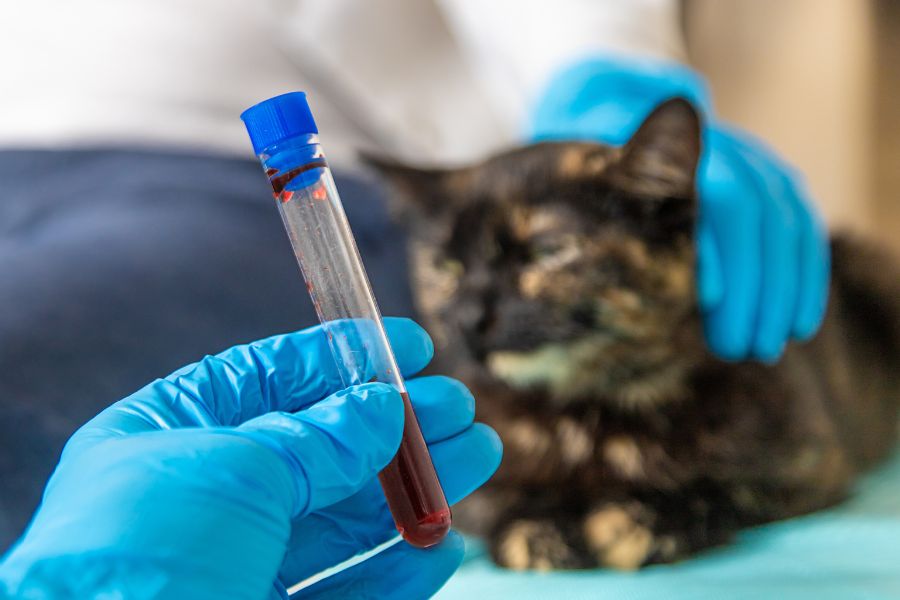
Bloodwork for pets is one of the most important tools veterinarians use to understand your pet’s overall health. Whether your dog or cat seems perfectly healthy or is showing signs of illness, blood tests can reveal hidden problems early, often before symptoms become serious. From routine wellness exams to pre-surgical screenings, bloodwork helps veterinarians make safer and more accurate medical decisions. In this guide, you’ll learn what bloodwork for pets includes, why it matters at every life stage, and how regular testing can help your pet live a longer, healthier life.
What Is Bloodwork for Pets?
Bloodwork for pets refers to laboratory testing performed on a blood sample to evaluate your pet’s internal health. These tests provide valuable information about organ function, blood cell counts, hydration, infection, and more.
Veterinarians commonly recommend bloodwork during:
- Annual wellness visits
- Sick pet exams
- Before surgery or anesthesia
- Senior pet screenings
- Monitoring chronic conditions
- Medication management
Many health conditions begin silently inside the body. Blood tests can detect these problems before physical symptoms appear.
What Does Pet Bloodwork Usually Include?
Most routine bloodwork for pets includes two main tests:
Complete Blood Count (CBC)
A CBC evaluates your pet’s blood cells, including:
- Red blood cells, which carry oxygen
- White blood cells, which fight infection
- Platelets, which help with clotting
This test helps veterinarians identify:
- Infections
- Anemia
- Inflammation
- Immune system disorders
- Blood clotting problems
Blood Chemistry Panel
A chemistry panel measures chemicals and enzymes in the blood to assess organ function.
This test evaluates:
- Liver health
- Kidney function
- Blood sugar levels
- Electrolytes
- Protein levels
- Pancreatic function
Blood chemistry results can help detect conditions such as diabetes, kidney disease, liver disease, and dehydration.
Why Bloodwork for Pets Matters?
Early Disease Detection
One of the biggest benefits of bloodwork for pets is catching illness early. Many conditions develop gradually and may not show obvious signs right away.
Routine blood tests can help detect:
- Kidney disease
- Liver problems
- Diabetes
- Thyroid disorders
- Infections
- Certain cancers
Early diagnosis often means more treatment options and better outcomes.
Helps Pets Age More Comfortably
Senior pets are more likely to develop chronic health conditions. Regular bloodwork helps veterinarians monitor age-related changes before they become severe.
Older pets may appear normal at home while internal problems develop quietly. Blood testing gives a clearer picture of their overall wellness.
Supports Safer Surgery and Anesthesia
Before surgery, veterinarians often recommend bloodwork to make sure your pet can safely handle anesthesia.
Pre-anesthetic blood tests can identify:
- Organ dysfunction
- Hidden infections
- Blood clotting concerns
- Dehydration
This information helps the veterinary team adjust medications and anesthesia plans to reduce risks.
Tracks Chronic Conditions
Pets with ongoing health issues often need routine blood testing to monitor progress and treatment response.
Conditions commonly monitored with bloodwork include:
- Diabetes
- Kidney disease
- Thyroid disease
- Liver disease
- Autoimmune disorders
Blood tests help veterinarians adjust medications and ensure treatment remains effective.
How Bloodwork Helps When Pets Are Sick?
When a pet suddenly becomes ill, bloodwork often provides critical answers quickly.
Symptoms that may require blood testing include:
- Vomiting or diarrhea
- Loss of appetite
- Weight loss
- Excessive thirst
- Lethargy
- Pale gums
- Difficulty breathing
Blood tests can narrow down possible causes and guide the next steps for diagnosis and treatment.
For example, a pet with vomiting may have anything from mild stomach upset to kidney disease or pancreatitis. Bloodwork helps determine the difference.
Is Bloodwork Necessary for Healthy Pets?
Yes, even healthy pets benefit from routine bloodwork.
Many veterinarians recommend annual testing for adult pets and more frequent screenings for senior animals. Preventive blood testing establishes a baseline for your pet’s normal values.
A baseline is important because every pet is slightly different. Future tests can then be compared to earlier results to spot changes more accurately.
Routine bloodwork is especially valuable because pets naturally hide pain and illness. By the time visible symptoms appear, the disease may already be advanced.
How Veterinarians Collect Blood Samples?
Blood collection is usually quick and minimally stressful for pets.
Veterinary staff commonly draw blood from:
- The front leg
- The neck vein
- Occasionally, the back leg
Most pets tolerate the procedure very well. In many cases, the process takes only a few minutes.
Some tests may require fasting beforehand, especially when evaluating blood sugar or organ function. Your veterinarian will let you know if preparation is needed.
Understanding Your Pet’s Bloodwork Results
Blood test results can look overwhelming because they contain many numbers and abbreviations. Your veterinarian will explain what the results mean for your pet specifically.
A few abnormal values do not always indicate a serious disease. Results are interpreted alongside:
- Physical exam findings
- Medical history
- Symptoms
- Age and breed
- Current medications
Sometimes additional testing is needed to confirm a diagnosis.
Common Conditions Detected Through Bloodwork for Pets
Blood testing can help identify a wide range of conditions, including:
Kidney Disease
Kidney problems are common in older cats and dogs. Bloodwork can detect early kidney changes before severe symptoms develop.
Diabetes
High blood sugar levels may indicate diabetes, especially in pets showing increased thirst or urination.
Liver Disease
Elevated liver enzymes can signal inflammation, infection, or liver damage.
Infections and Inflammation
Changes in white blood cells often indicate infection or immune system activity.
Thyroid Disorders
Hormone testing can help diagnose thyroid disease, especially in senior pets.
How Often Should Pets Have Bloodwork?
The ideal schedule depends on your pet’s age, lifestyle, and medical history.
General guidelines include:
- Healthy adult pets: yearly bloodwork
- Senior pets: every 6 to 12 months
- Pets with chronic illness: as recommended by your veterinarian
- Before surgery: whenever anesthesia is planned
Pets with certain breeds or health risks may need more frequent testing.
Can Bloodwork Prevent Emergencies?
Bloodwork cannot prevent every medical issue, but it can reduce the risk of unexpected health crises.
Early detection allows veterinarians to:
- Start treatment sooner
- Slow disease progression
- Monitor health changes
- Prevent complications
- Improve long-term quality of life
For example, catching kidney disease early may allow dietary changes and treatment before kidney failure develops.
What Pet Owners Should Know About Cost?
The cost of bloodwork for pets varies depending on the tests performed and your location. While some owners hesitate because of expense, routine blood testing often saves money over time by detecting problems before they become severe emergencies. Preventive care is usually less costly and less stressful than treating advanced illness.
Conclusion
Bloodwork for pets is a simple but powerful tool that helps veterinarians detect illness, monitor health, and provide safer medical care. Even when pets seem healthy, routine blood testing can uncover hidden conditions early and help support a longer, healthier life. Whether your pet is young, senior, or managing a chronic condition, regular wellness testing is an important part of wellness care. If your pet is due for an exam or diagnostic testing, contact Bucksport Veterinary Hospital in Orland, ME to schedule an appointment and discuss the right bloodwork plan for your pet.
FAQs
Q1: What does bloodwork for pets check for?
Ans: Bloodwork checks organ function, blood cell counts, blood sugar, infections, inflammation, and other internal health markers that help veterinarians assess your pet’s overall health.
Q2: How often should pets get bloodwork?
Ans: Most healthy adult pets should have bloodwork once a year, while senior pets or pets with medical conditions may need testing every 6 to 12 months.
Q3: Is bloodwork painful for pets?
Ans: Blood collection is usually quick and causes minimal discomfort. Most pets tolerate the procedure very well.
Q4: Why is bloodwork important before surgery?
Ans: Pre-surgical bloodwork helps veterinarians identify hidden health issues that could affect anesthesia safety or recovery.
Q5: Can bloodwork detect cancer in pets?
Ans: Bloodwork alone may not diagnose all cancers, but it can reveal abnormalities that suggest further testing may be needed.